Systems That Warm Reliably When Cold Arrives
Heating Repair in Cleveland for furnaces and heat pumps that fail to warm the home, cycle inconsistently, or show early signs of developing problems
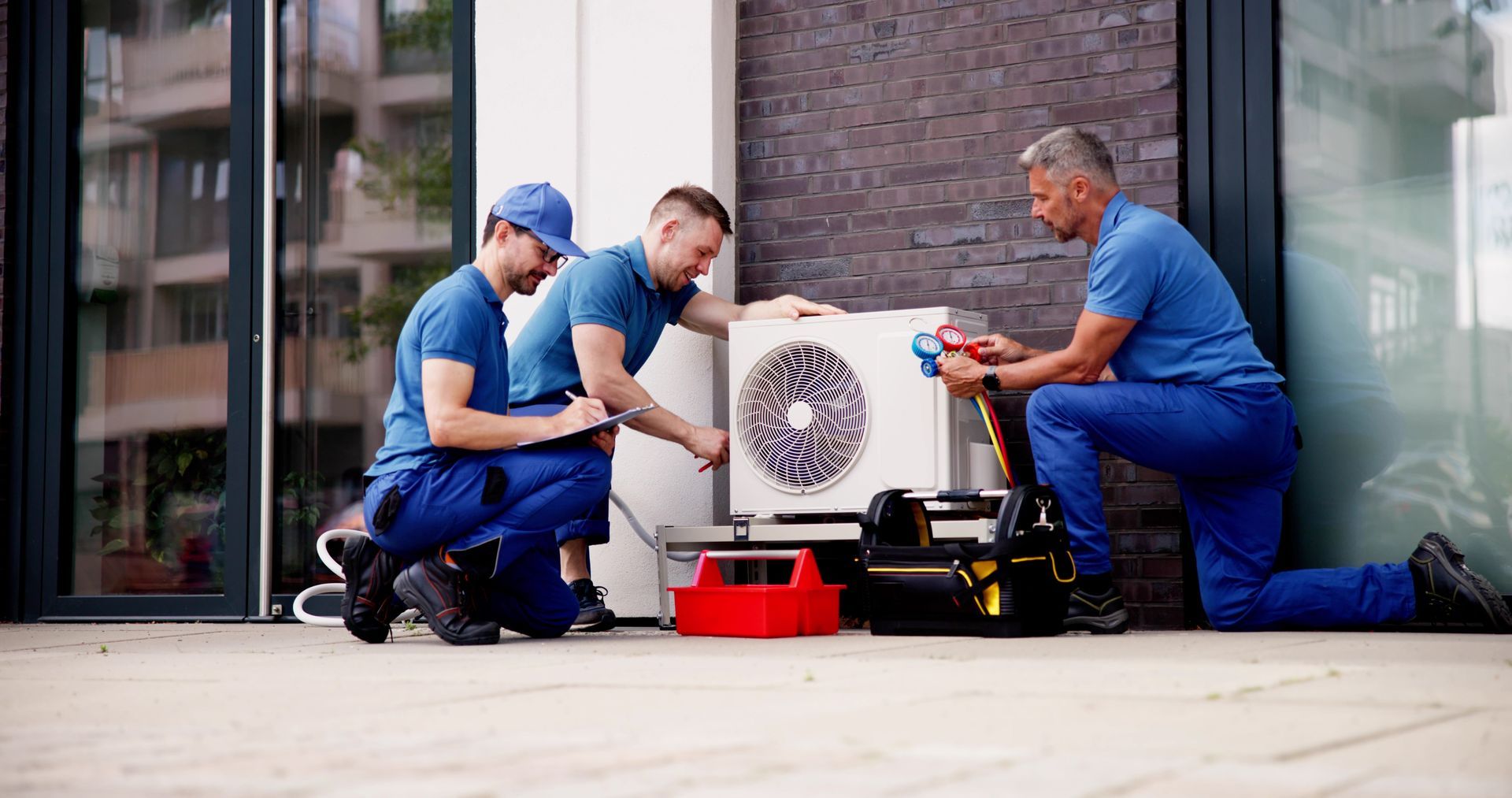
A heating system that ignites but shuts down before the house warms, blows lukewarm air instead of the expected heat, or refuses to start when the thermostat calls for heating requires diagnosis before colder weather deepens the discomfort. Southeast Texas heating demands may be seasonal rather than constant, but when temperatures drop into the thirties or below, a failed furnace or heat pump leaves the home uncomfortably cold until the problem is resolved. DR AIR AND HEATING .llc diagnoses residential heating failures by testing ignition systems, measuring gas pressure and airflow, checking electrical components, and identifying why the equipment stopped warming the house dependably.
Heating repair targets the specific failure preventing normal operation, whether that involves replacing a failed ignitor that no longer lights the burners, cleaning a flame sensor that signals false shutdowns, repairing a reversing valve on a heat pump that will not switch to heating mode, or replacing a blower motor that runs intermittently. Careful diagnosis separates simple fixes from problems that indicate broader equipment deterioration, allowing you to make informed decisions about repair versus replacement.
Arrange a heating system inspection to identify what is preventing normal operation.
How Heating Diagnosis Leads to Restoration
Technicians begin by observing the system's behavior during a heating cycle, noting whether ignition occurs, how long burners remain lit, whether the blower engages, and what temperature air reaches before the unit shuts down. Testing includes checking gas valve operation, measuring flame current to confirm proper combustion, inspecting the heat exchanger for cracks or deterioration, and verifying that safety switches function correctly. For heat pumps, diagnosis includes checking refrigerant charge, defrost cycle operation, and reversing valve function that switches the system between heating and cooling modes.
Once the repair is finished, you notice that the thermostat setting is reached without manual intervention, supply air feels warm rather than merely less cool, and the system completes heating cycles without unexpected shutdowns. Rooms warm evenly, and the furnace or heat pump operates quietly without the banging, whistling, or grinding sounds that often accompany failing components.
Some heating problems stem from deferred maintenance, such as clogged burners or dirty flame sensors that prevent reliable ignition, while others indicate component failure that requires parts replacement. The difference matters because maintenance-related issues cost less to resolve and suggest that the system has remaining service life, while repeated component failures often signal that the equipment is nearing the end of its operational period.
Answers to Frequent Heating Service Questions
Questions about heating repair often focus on safety, timing, and whether a failing system should be repaired or replaced.
What causes a furnace to shut down before the house warms?
Flame sensor contamination, cracked heat exchangers, failed limit switches, and insufficient gas pressure all trigger safety shutdowns that prevent the system from completing a heating cycle.
How do you test whether a heat pump is heating correctly?
Technicians measure the temperature difference between return and supply air, check refrigerant pressures during heating mode, and verify that the reversing valve shifts properly when the thermostat switches from cooling to heating.
When should heating problems be addressed in Cleveland?
Repairs are best handled before sustained cold weather arrives, as demand for service increases once temperatures drop and multiple systems fail simultaneously across the area.
What safety concerns arise from a malfunctioning heating system?
Cracked heat exchangers can allow combustion gases into living spaces, failed ignitors can cause gas buildup before ignition, and electrical faults can create fire hazards that require immediate attention.
How quickly can heating be restored after diagnosis?
Most repairs are completed during the initial service visit once the problem is identified, restoring normal heating within hours rather than requiring multiple trips or extended waits for parts.
DR AIR AND HEATING .llc provides heating repair service in Cleveland for systems that no longer warm homes dependably. Schedule a diagnostic visit to restore reliable heating before colder conditions return.